Global thought leaders praise Web Summit Qatar 2025
Tech and business leaders laud Qatar’s hosting of region’s biggest tech event

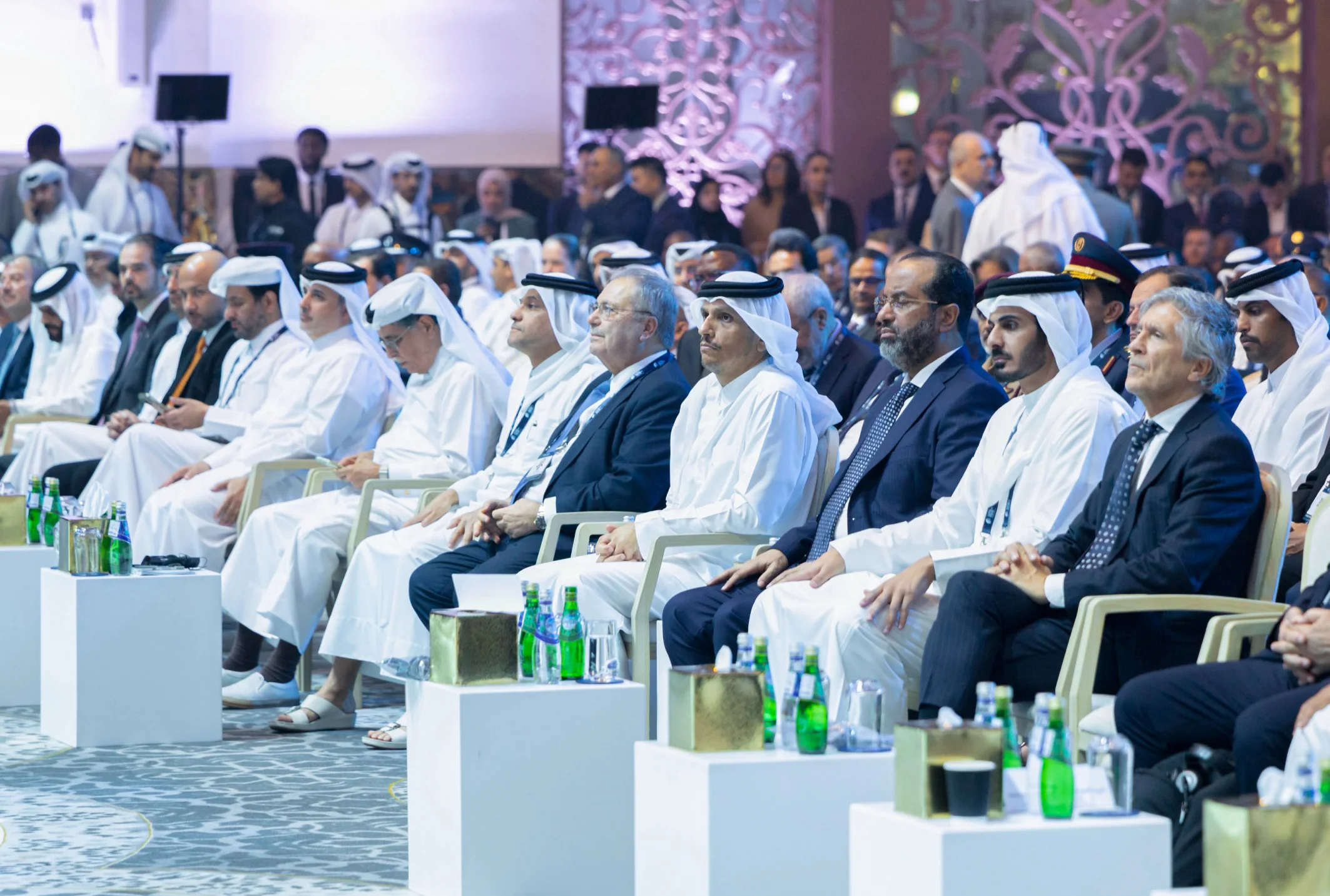
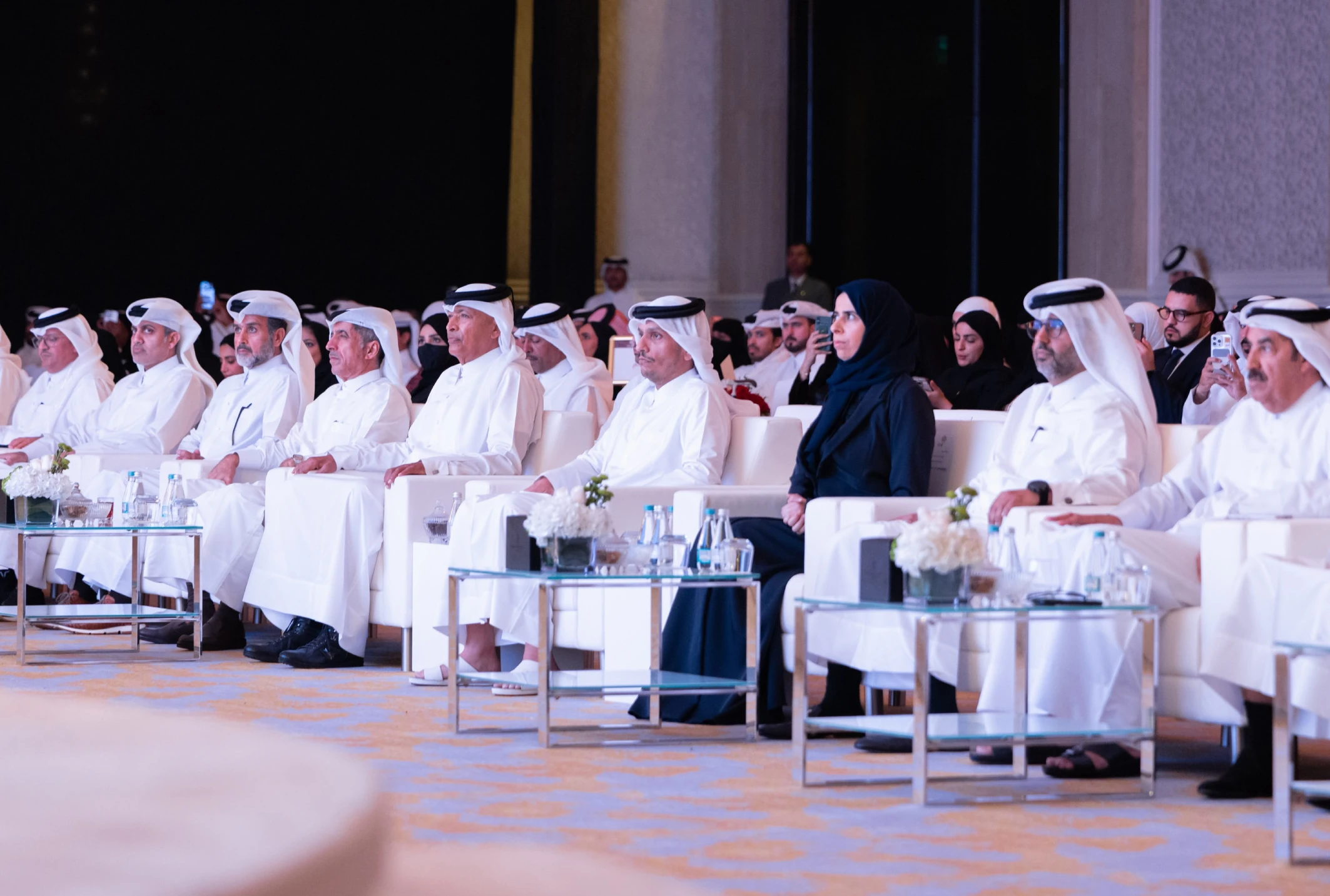
The second edition of Web Summit Qatar took place last month with a resounding success, drawing praise from global industry leaders who gathered in Doha to discuss the future of technology, media and entrepreneurship.
Among these influential speakers was Hollywood icon and entrepreneur Will Smith, who offered profound insights into navigating the future of business. Smith emphasised the importance of adopting a “beginner’s mind” when embarking on new ventures. “Be a child, asking all the questions. The worst thing you can do is pretend like you know when you don’t know. It is much better to accept not knowing and lean into not knowing.”
Making his first-ever visit to Qatar, Smith described the country as “beautiful and peaceful” with a distinct “energy of the future.” “I love it here, this is fantastic,” Smith said. “As an artist, that is extremely exciting to me, to be in a place that’s bubbling with anticipation of creating a future. I salute all of you here in that energy and in that space of creating not just the tomorrow for Qatar and the Middle East, but the future of our planet.”
Bestselling author and award-winning host of the podcast On Purpose, Jay Shetty, expressed his admiration for Qatar, particularly for its support of local talent and cultural heritage. Also making his first visit to the country, Shetty shared his long-standing desire to experience Qatar firsthand following its growing global presence through major events like the FIFA World Cup 2022™.
Shetty expressed enthusiasm about Qatar’s trajectory: “What truly impresses me about Qatar is the investment in your own people and community. The thoughtfulness shown by leaders here in supporting young creators is both special and remarkable. You’ve also invited so many of us for our insight and advice, which shows that the leadership here is providing tremendous support, which is beautiful to see.”
“I believe so many talented people here have amazing stories to tell. In five or ten years, we’ll look back at year two of Web Summit and see the incredible stories that emerged from this foundation,” he added.
Shetty, whose podcast reaches millions globally, also emphasised the importance of creators telling authentic local stories. “I would encourage creators here to tell their own local stories in a powerful way—Arabic tales, Arabic history—in their native language,” he advised, drawing parallels to his own success sharing stories from his Indian heritage.
New York Times bestselling author Malcolm Gladwell discussed Qatar’s compact nature as an advantage in its developmental journey. “Small nations have incredible advantages when it comes to trying new things and being innovative,” Gladwell observed. “There’s a flexibility and ability to move quickly and experiment that’s just not present in larger countries. With bigness comes enormous burdens—many different constituencies, long institutional histories. The fact that Qatar is a small nation should be conceived of as your biggest advantage.”
The author praised Web Summit Qatar for fostering the cross-pollination of ideas by bringing together diverse perspectives—something he considers essential for innovation in the digital age. “As we get better at the rational organisation of information, we have to take care to continue to build and focus on these kinds of serendipitous interactions where a different kind of creativity emerges.”
He added: “The overwhelming impression I have on my second visit to Doha is that it’s a new society. With that comes the feeling that anything is possible. Here, I feel like everything is up for grabs.”
Conal Byrne, Chief Executive Officer of the iHeartMedia Digital Audio Group, discussed a landmark agreement signed with the Government Communications Office to establish a cutting-edge podcast studio in the country, benefiting both podcast listeners and content creators throughout Qatar and the broader region.
“When you think of the archive of content that we have—a million plus hours of humans on microphones having good conversation—all of that is now going to be unleashed on countries around the world, in language,” Byrne explained, adding that creators like Malcolm Gladwell and Jay Shetty could see their audiences grow exponentially in the region once language barriers are removed.
On AI, Byrne highlighted its transformative potential specifically for marketing professionals. He emphasised that AI will transform personalised marketing by enabling highly tailored creative messages—whether audio or video—that can be micro-targeted across geography, demographics and time slots.
Byrne noted that language variations pose significant hurdles for AI implementation in certain regions. “In the United States, as we distribute content across all 50 states, there’s big change in accents, maybe local vernacular changes, but you get a pass,” he said. “In regions like the Middle East that might be really different. It’s a fair concern that I think has held us back a little bit to date—and maybe AI helps that.”
The second edition of Web Summit Qatar, the largest technology event in the Middle East and North Africa region, brought together an impressive 25,700 attendees from 124 countries, 723 investors, 168 partners, 381 speakers, 710 media entities and 1,520 startups. Held as part of a partnership with Web Summit, the landmark gathering aligns with Qatar’s National Vision 2030, reinforcing its position as a premier platform for tech, innovation and global networking.