Ministry of Labour unveils National Strategy for an Effective and Highly Productive Workforce 2024-2030

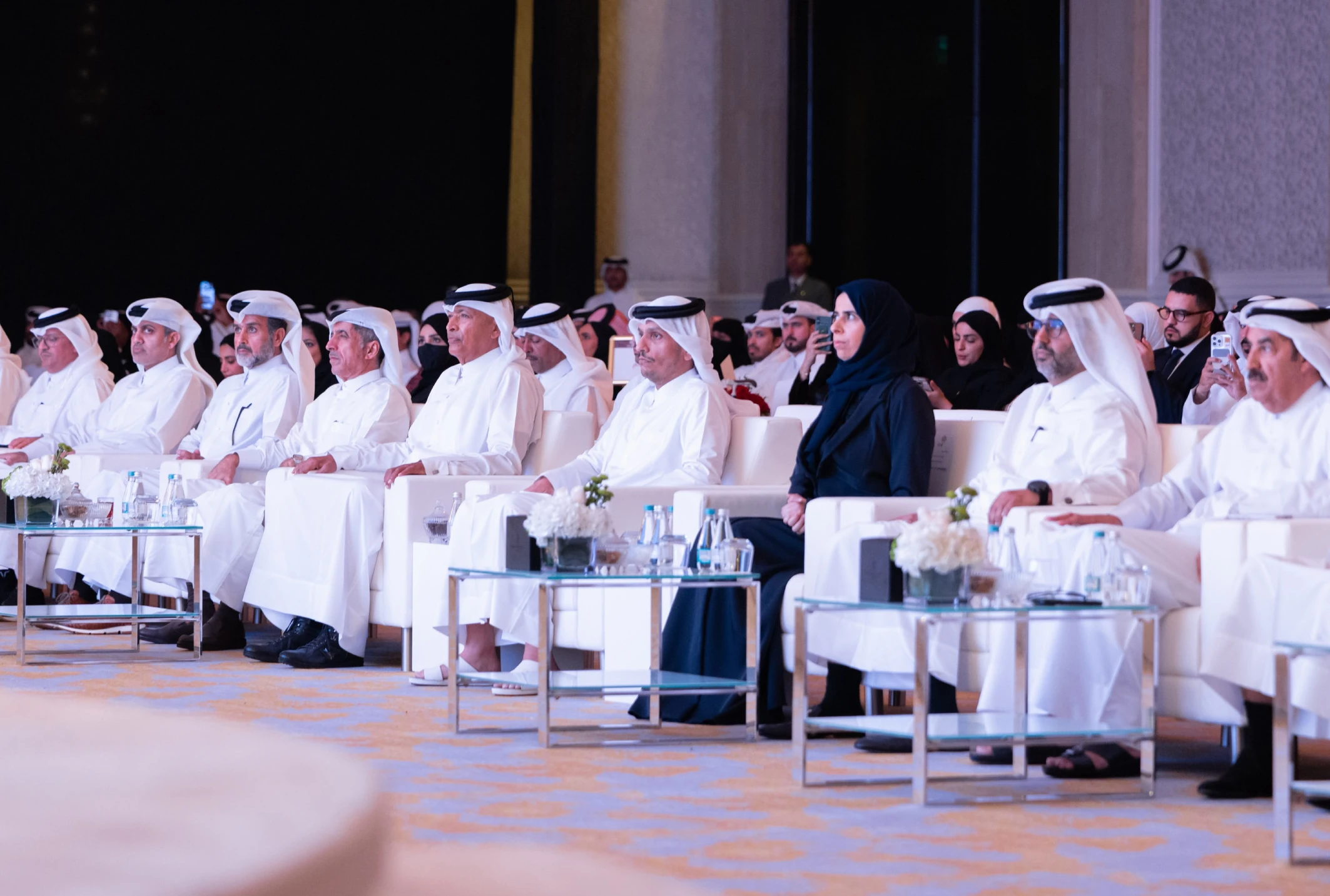
Under the patronage of HE Sheikh Mohammed bin Abdulrahman bin Jassim Al Thani, Prime Minister and Minister of Foreign Affairs, HE Dr Ali bin Saeed bin Samikh Al Marri, Minister of Labour, launched the National Strategy for an Effective and Highly Productive Workforce 2024-2030. The event was attended by ministers, senior labour sector officials and strategic partners.
The new strategy aims to contribute to the objectives of the Third National Development Strategy, with a particular focus on cultivating a future-ready workforce. This will be achieved through increasing Qatari representation in both private and mixed sectors, thus enhancing the number of highly skilled professionals in the labour market and fostering workplace efficiency and productivity.
In his speech, HE the Minister of Labour remarked: “The National Strategy for a Highly Productive and Efficient Workforce is a foundational pillar in achieving our ambitious goals, aligning with the Qatar National Vision 2030 and the Third National Development Strategy.”
He continued: “Qatar’s national workforce is at the heart of the country’s development plans, playing a crucial role in driving national progress, sustaining economic growth, strengthening the private sector’s contribution to the national economy and promoting economic diversification by supporting non-oil sectors within the economic cycle.”
The Minister emphasised that the new strategy aims to boost citizen participation in the labour market through targeted initiatives that empower, upskill and strengthen their competitive edge, especially for private sector roles. The strategy also seeks to attract skilled talent, protect labour rights, increase productivity, encourage innovation across sectors and improve efficiency within the public sector.
Achieving the 2030 targets will require the launch of 16 initiatives and 55 projects, each designed for specific target groups and implemented by a range of stakeholders, including the national workforce, expatriate workers and the public, private and mixed sectors.
The strategy outlines eight key outcomes, including boosting labour productivity by more than 2% annually through effective labour policies. It also seeks to increase Qatari workforce participation from 54 to 58 percent and to expand the share of Qataris employed in the private and joint sectors from 17 to 20 percent by integrating 16,000 Qataris into the private sector, following the successful employment of 6,000 Qatari nationals over the past three years.
Additional key outcomes include establishing sustainable levels of government employment, maintaining low unemployment rates, increasing the share of high-skilled expatriates from 20 to 24 percent of the total expatriate workforce, as well as expanding quality job opportunities in the private sector to enhance workers’ welfare.
Latest news & updates
Prime Minister opens Global Security Forum 2026
Prime Minister attends Community College of Qatar graduation ceremony
His Highness The Amir inaugurates the 55th Annual Session of the Shura Council