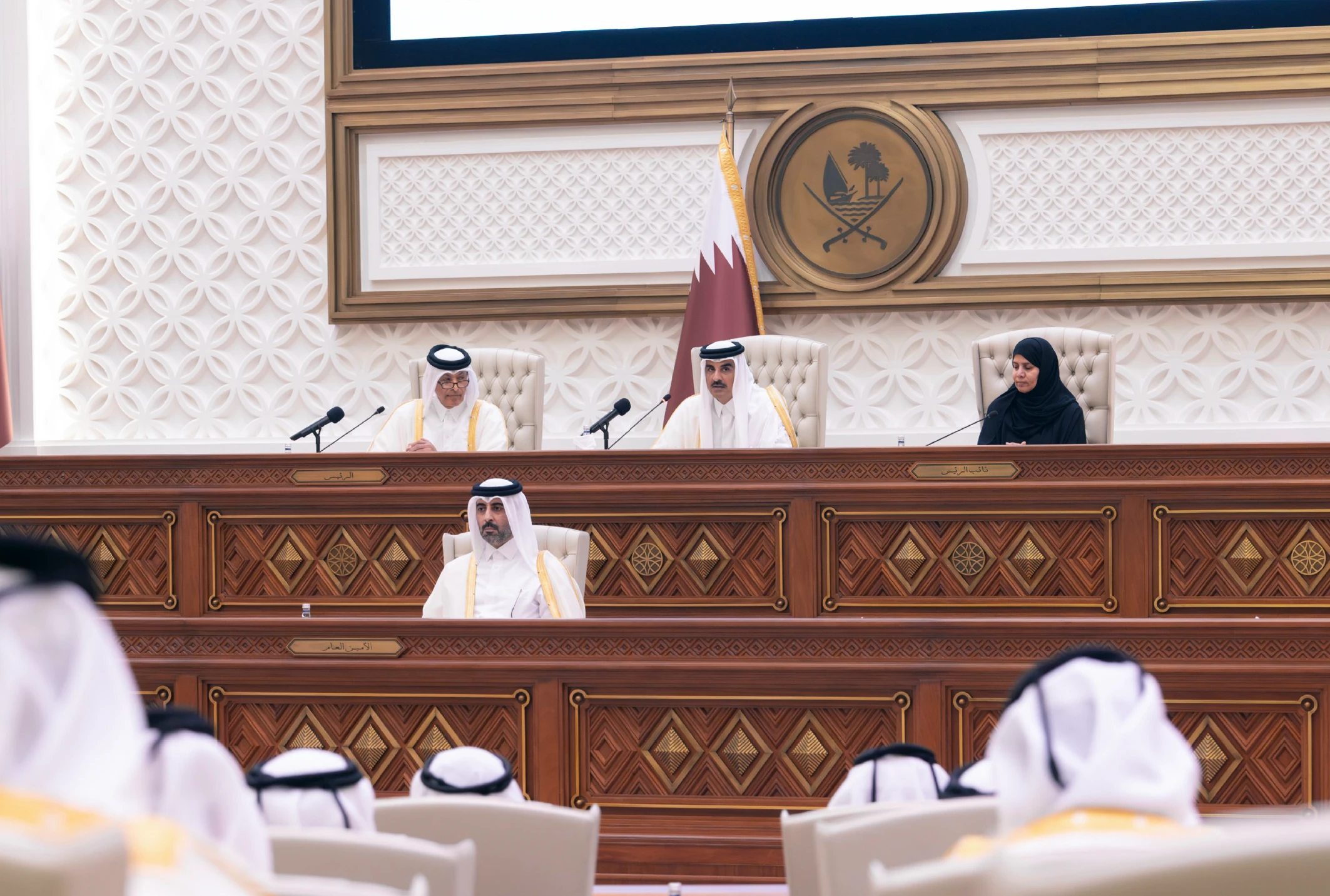
National Planning Council launches National Data and Statistics Strategy
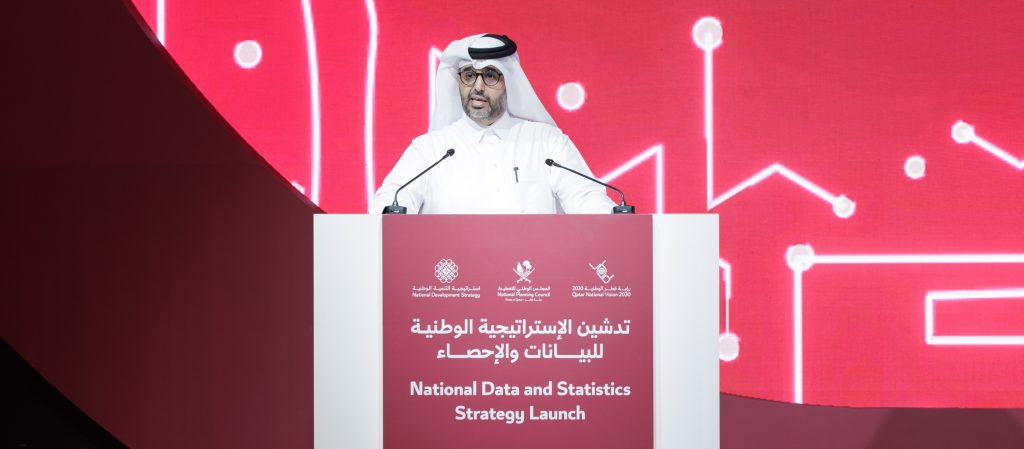
Marking a full year since its establishment under Amiri Decision No. 13 of 2024, the National Planning Council has launched the National Data and Statistics Strategy under the patronage of HE Sheikh Mohammed bin Abdulrahman bin Jassim Al Thani, Prime Minister and Minister of Foreign Affairs and President of the National Planning Council.
The ceremony was also attended by HE Sheikh Saoud bin Abdulrahman bin Hassan bin Ali Al Thani, Deputy Prime Minister and Minister of State for Defence Affairs, and Vice President of the National Planning Council.
The strategy is built on three pillars: enhancing the reliability and quality of data through the National Statistics Center, building an integrated and interconnected national data system, and leveraging data technology, big data, and artificial intelligence across all operations. Through this, the strategy aims to position the National Statistics Center among the world’s leading statistics institutions.
HE Dr Abdulaziz bin Nasser bin Mubarak Al Khalifa, Secretary General of the National Planning Council, announced the scale of implementation, saying: “To implement the National Data and Statistics Strategy, the National Statistics Center is carrying out 21 initiatives that translate into 128 projects over a three-year period.”
He also noted that the Council had already begun implementing several key national data initiatives in parallel with developing the strategy. These include launching the National Data Program, an essential step toward building a centralised data repository, issuing national data regulations and preparing the National Data Management Guide.
Demonstrating its leadership in data innovation, the Council has introduced the Qatar Data Trust Index, a unique tool that measures public trust in data by evaluating its quality and compliance with national data regulations across seven primary dimensions and 50 sub-indicators. The index is powered by the new QInsight platform, a key element of the national data infrastructure.
Additional milestones included the inaugural Doha Data Forum and the 2025 Qatar Datathon, which promote creative and collaborative uses of data. Marking a national first, the Council is also conducting a census based solely on administrative records, without the need for field visits, a method being implemented for the first time in Qatar. The process is expected to generate more than 40 million data points.
Reflecting on the Council’s achievements over the past year, HE Dr Al Khalifa confirmed that, in cooperation with ministries and government entities, more than 110 projects have been approved for over 20 entities, with total funding exceeding QAR 3 billion. These joint efforts have already delivered tangible progress across the seven national outcome areas outlined in the Third National Development Strategy.
These include Qatar’s non-hydrocarbon sector contributing a 2.4 percent rise in GDP, reflecting the country’s economic diversification strategy. Business registration also increased by 156 percent after reducing registration fees, while low inflation and a fiscal surplus supported macroeconomic stability. Meanwhile, Qatar led the Gulf in higher education rankings, with over 2,000 students graduating in STEM. The country was also recognised as the second-best globally for senior living. In addition, tourism rates doubled since 2022, with the country now ranking among the lowest three in crime rates globally. Environmental milestones also included converting 73 percent of public buses to electric and rehabilitating 1.2 million square metres of green space. Similarly, public service upgrades continued across institutions in line with Qatar’s commitment to excellence in governance.
In March, the National Planning Council convened the first National Development Forum in line with HE the Prime Minister’s directives to foster community dialogue and expand the private sector’s role in delivering the Third National Development Strategy. The gathering marked the beginning of broader engagements to advance the goals of Qatar National Vision 2030.
The National Data and Statistics Strategy reflects Qatar’s ambition to build an integrated, reliable and innovative ecosystem to enhance decision-making, accelerate sustainable development and support long-term national planning.