Prime Minister inaugurates MWC25 Doha
More than 200 speakers gather to discuss key digital trends
Qatar Pavilion showcases 32 innovative national initiatives in digital transformation and artificial intelligence
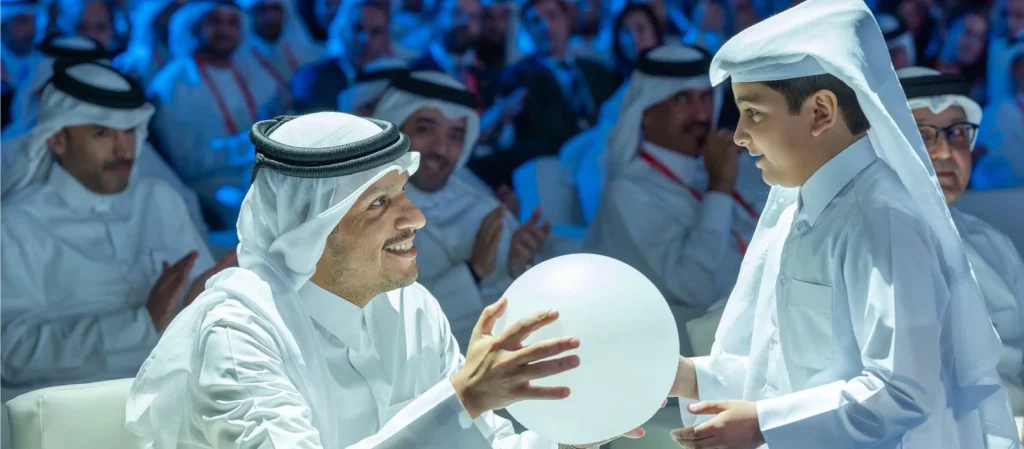
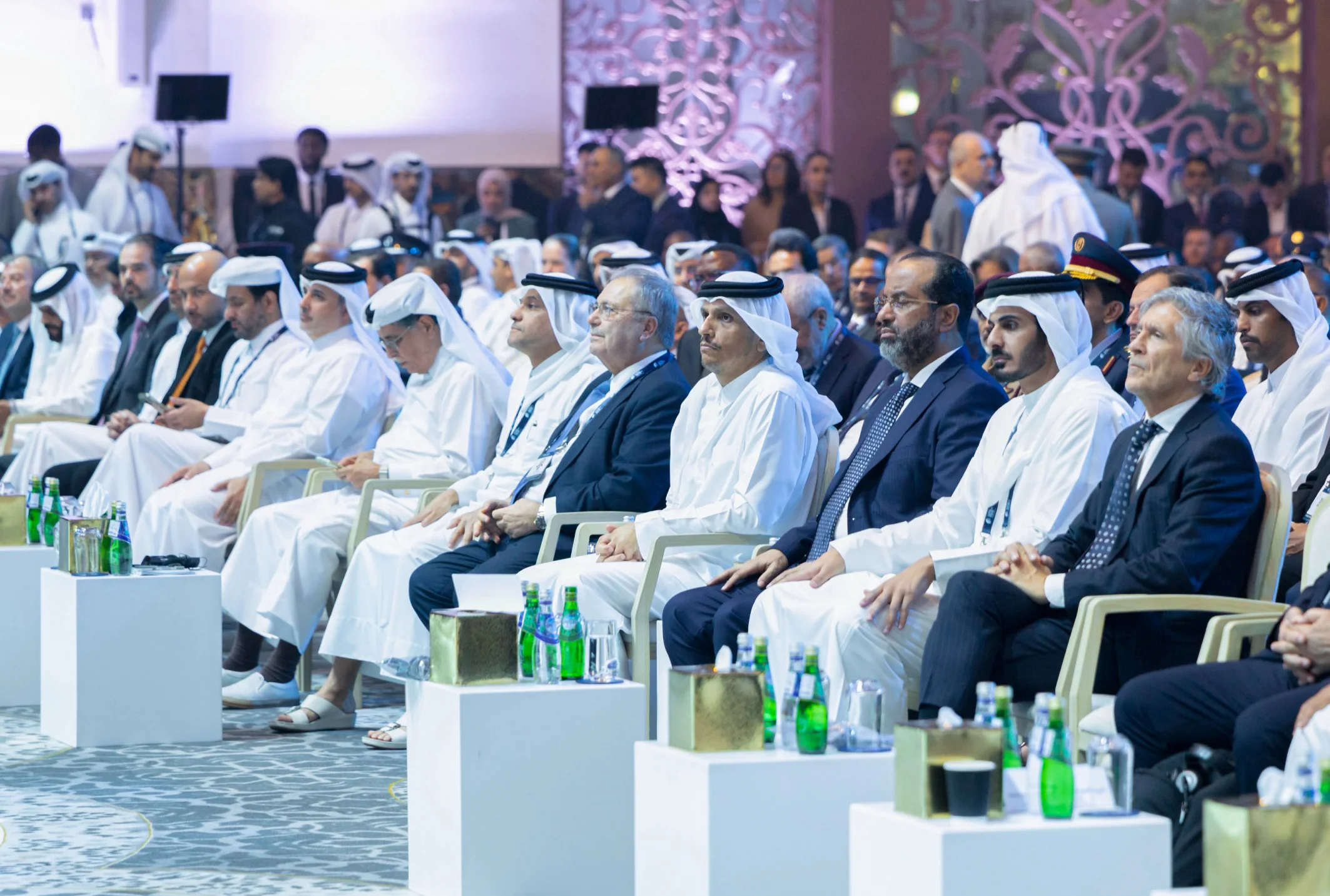
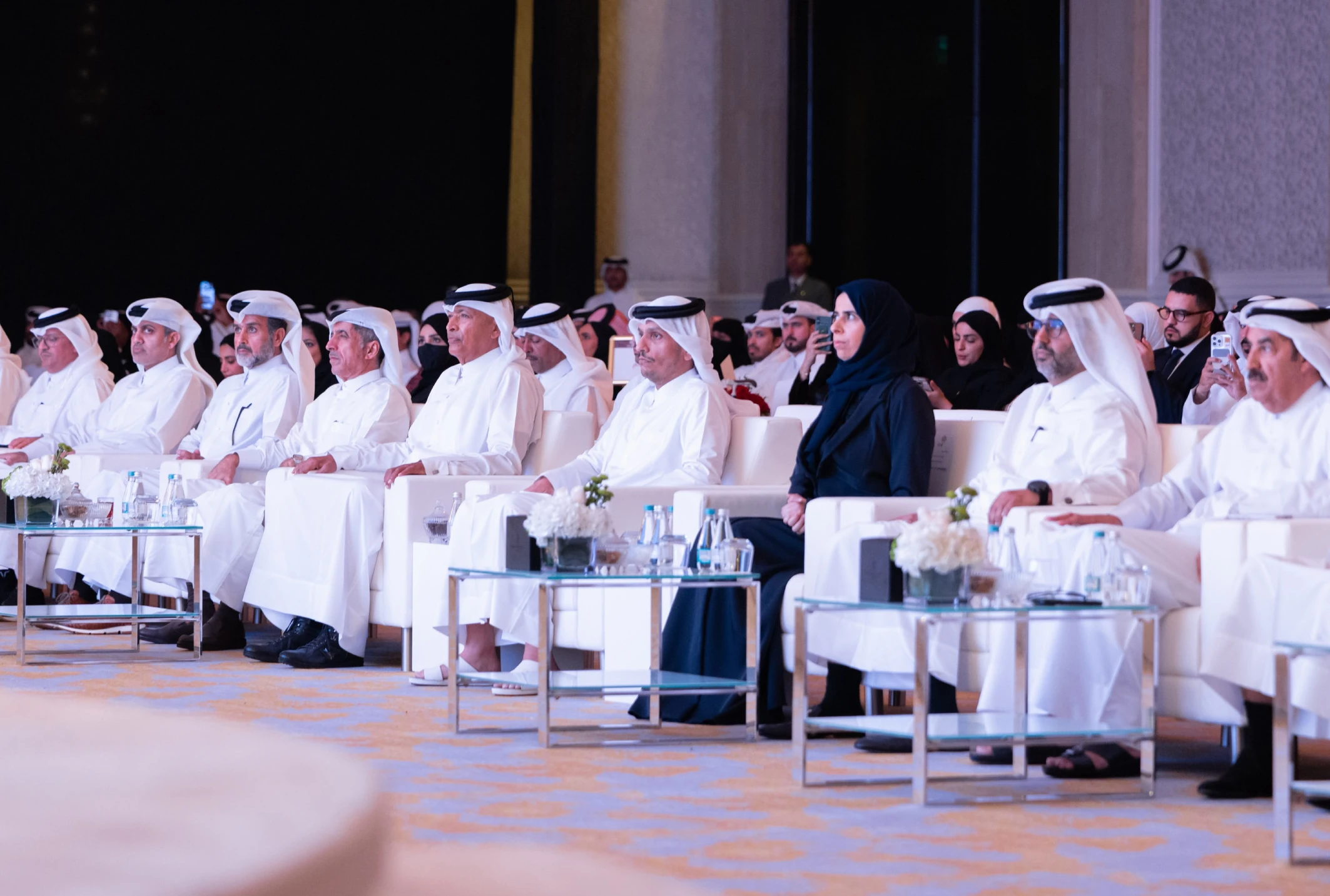
HE Sheikh Mohammed bin Abdulrahman bin Jassim Al Thani, Prime Minister and Minister of Foreign Affairs, inaugurated the Mobile World Congress Doha 2025 (MWC25 Doha), organised by the GSMA in partnership with the Ministry of Communications and Information Technology, marking the first time the event is held in the MENA region.
HE the Prime Minister affirmed that hosting the inaugural edition of MWC25 represents an important milestone within Qatar’s digital agenda to advance digital infrastructure and accelerate the nation’s transformation journey. He welcomed the participants and highlighted Qatar’s commitment to establishing strategic partnerships capable of shaping a more competitive and advanced digital economy.
Following the opening ceremony, HE the Prime Minister toured the accompanying exhibition which brings together leading global, regional and local technology companies to showcase the latest advancements in communication networks including 5G and beyond, artificial intelligence, advanced computing, smart cities, data solutions and financial technologies.
HE the Prime Minister was also briefed on the Qatar Pavilion, which features 17 government entities presenting 32 innovative digital projects across future technologies. The pavilion highlights Qatar’s leadership in digital transformation, artificial intelligence and government innovation, and reflects strong collaboration between the public and private sectors to build an integrated digital ecosystem.
MWC25 Doha is being held on 25–26 November at the Doha Exhibition and Convention Center, convening more than 200 speakers including decision-makers, technology leaders and entrepreneurs — 75% of whom are from outside Qatar — to discuss the latest trends in telecommunications, information technology, artificial intelligence, emerging technologies and the economies of the future.
The congress will also host the GSMA Ministerial Programme, welcoming around 50 official delegations of ministers, regulatory authorities and representatives of international organisations, alongside 40 distinguished speakers on the 4YFN entrepreneurship platform. Additionally, 50 startups will deliver presentations while more than 40 Qatari startups showcase their digital solutions.
MWC25 Doha features 50 high-level thought-leadership sessions, including keynote addresses aligned with the event’s core themes, specialised summits and approximately ten closed ministerial roundtables, reinforcing its role as a comprehensive platform for dialogue and practical collaboration.
The event includes four national pavilions: Qatar, Palestine, Türkiye and the Republic of Korea. The congress is supported by key partners and sponsors from across sectors, including three official event partners, 20 official sponsors and 30 media partners.
The Qatar Pavilion brings together leading national entities including the Ministry of Communications and Information Technology, Ministry of Transport, Ministry of Municipality, Communications Regulatory Authority, Invest Qatar, Primary Health Care Corporation, Qatar Tourism, Qatar University, Qatari Diar, Qatar Science & Technology Park, Qatar Research, Development and Innovation Council, Qatar Computing Research Institute, along with innovative contributions from the Qatar Scientific Club.
MWC25 Doha will witness the signing of a number of agreements and the announcement of strategic partnerships in technology and telecommunications between government and private-sector entities and leading global companies, underscoring the event’s strong momentum as a platform for advancing cooperation in digital transformation.
Hosting MWC25 Doha builds on Qatar’s record of convening major global technology events and reinforces its position as a regional and international hub for dialogue on the future of telecommunications and technology. It is a key component of implementing the Digital Agenda 2030 to build a competitive and sustainable digital economy, foster innovation and support the transition to an integrated digital society.