GCO Director speaks to QNA about Web Summit Qatar 2026
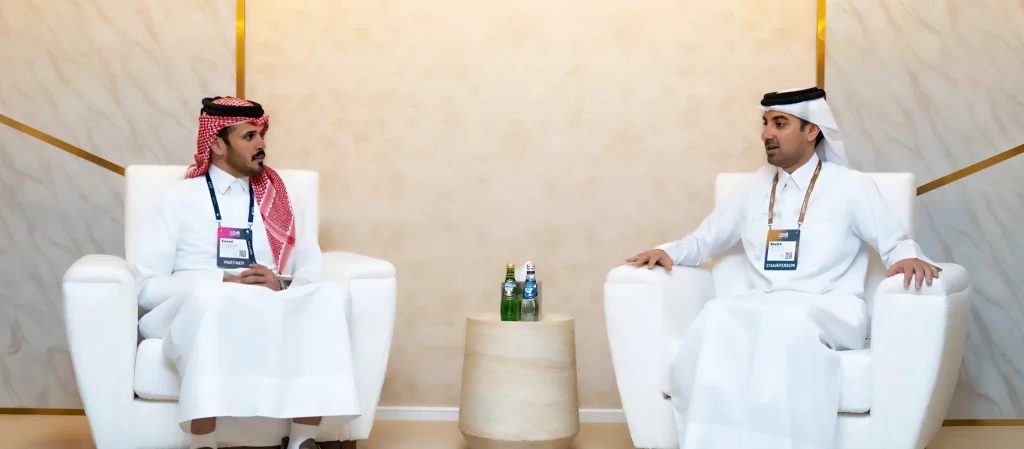
Sheikh Jassim bin Mansour bin Jabor Al Thani, Director of the Government Communications Office (GCO) and Chairman of the Permanent Web Summit Organising Committee affirmed that Web Summit Qatar 2026 has established itself as a leading global event in technology and innovation, having moved from the founding phase to one of maturity and impact.
He highlighted that the summit marked a record participation of over 30,000 attendees from 124 countries, in addition to thousands of startups, investors, and international speakers, reflecting growing confidence in the summit and in Qatar as a global platform for entrepreneurs and decision-makers.
In an interview with Qatar News Agency (QNA) at the conclusion of the third edition of the summit, Sheikh Jassim noted that the unprecedented turnout, reflected in the early sell-out of attendee tickets and the startup program tickets, confirms Web Summit Qatar’s prominent status on the international tech events map.
He emphasised that this turnout is due to the quality of content, diversity of tracks, strength of networking opportunities, in addition to Qatar’s attractive investment environment and government’s support for innovation and the digital economy.
He added: “Web Summit Qatar is a strategic tool to support sustainable development and economic diversification by attracting quality investments, enhancing international partnerships, and building a knowledge-based economy.”
He stressed that the summit’s positive impact extends beyond direct economic returns to reinforcing Qatar’s position as a regional and global hub for technology and innovation, and a launching point for a broader agenda of specialised tech conferences and events in the future.
The GCO Director noted that this momentum reflects the summit’s success in meeting its core objectives to support the innovation and entrepreneurship ecosystem, strengthen international partnerships, and connect the national digital economy with the global economy, in line with Qatar National Vision 2030 and the Third National Development Strategy. It further cements Qatar’s position as a global hub for dialogue on the future of technology and the digital economy.
Regarding the current edition’s record turnout, which led to early ticket sell-outs, the Director of the GCO and Chairman of the Permanent Web Summit Organising Committee confirmed that participation was exceptional across startups, investors, international speakers, and partners. He pointed that the high demand for participation and the early sell-out of the startup program and attendance tickets reflects global interest in the event and confirms that Web Summit Qatar has become a key destination on the international tech events calendar.
He explained that this turnout is a reflection of the quality of content, diversity of tracks, and strength of networking opportunities at the summit, in addition to the appeal of the investment ecosystem in Qatar, its advanced infrastructure, and government’s support for the innovation sector.
Looking ahead, he said, the GCO is exploring options to expand the summit’s capacity and develop organisational models that ensure an exceptional participant experience while maintaining the highest standards of quality and management.
He noted that Web Summit Qatar has recorded remarkable success in just its third year, citing remarks by Web Summit Founder and CEO Paddy Cosgrave during the opening ceremony. Cosgrave explained that the initial target was 12,000 participants by 2028, a milestone exceeded in the first edition and more than doubled in this year’s third edition.
He added that the summit has helped build international partnerships with major global technology companies such as TikTok, Snapchat, Meta, Google, and Microsoft. He emphasised that these partnerships translate into long-term value beyond the summit, including knowledge exchange and support for national innovation, adding that a number of these companies have chosen Qatar as a base for their regional headquarters.
He highlighted that the participation of hundreds of investors and international trade delegations positions Web Summit Qatar as a practical platform for translating global interest into tangible partnerships, through structured meetings, bilateral engagements, and the signing of memoranda of understanding and cooperation agreements.
He explained that the scale and sustained growth of Web Summit Qatar make it the largest technology event in the MENA region and create new opportunities to expand Qatar’s portfolio of specialised global events. He cited hosting The Wall Street Journal Tech Live global conference in Qatar last December, held outside the United States for the first time, and bringing together senior executives and global leaders.
He indicated that the strong demand witnessed this year suggests economic returns surpassing those of the previous edition, citing the sell-out of startup program tickets three weeks before the event, the sell-out of general admission ahead of the summit, and the venue reaching full capacity.
He said: “The current edition has drawn more than 30,000 participants from 124 countries, alongside over 1,600 startups, 800 investors, and more than 600 media representatives, in record demand for the summit. Specific economic returns will be announced once the official impact assessment is released.”
He added that while final figures are still pending, expectations remain high, noting that the summit’s value goes beyond immediate financial returns to include enhancing Qatar’s global profile and fostering long-term strategic partnerships.
Web Summit Qatar is a strategic tool to support sustainable development and economic diversification by attracting quality investments, enhancing international partnerships, and building a knowledge-based economy.
Sheikh Jassim said record figures are expected to drive increased spending, hotel bookings and air travel compared with previous editions, delivering a clear boost to sectors including tourism, hospitality, aviation and services. He noted that this impact extends through business tourism, with repeat visits by investors and entrepreneurs who see Qatar as a hub for business and investment.
Sheikh Jassim said: “The summit delivers lasting value by strengthening trust in Qatar’s innovation and entrepreneurship ecosystem and converting international engagement into sustained economic activity.” He added: “Repeat visits by investors and entrepreneurs drive continuous demand across aviation, hospitality, and service sectors throughout the year.”
Sheikh Jassim highlighted that the summit witnessed the signing of numerous memoranda of understanding between government entities, private companies, and international institutions, focusing on advanced technology, artificial intelligence, fintech, the digital economy, media, investment, and entrepreneurship.
He explained that these agreements go beyond investment to enable knowledge transfer, capacity building, digital solutions development, and public-private sector collaboration, contributing to the national innovation ecosystem and turning summit outcomes into practical partnerships with sustainable impact.
Regarding iHeartMedia’s launch of iHeartArabi, Sheikh Jassim noted that this platform comes as part of a strategic partnership signed last year between the GCO and iHeartMedia, which includes establishing a regional podcast centre in Qatar. This step reflects a vision to develop the Arab audio content industry and enhance Qatar’s position as a major hub for digital content production in the country and the region.
He added that iHeartMedia was chosen as the official podcast partner for Web Summit Qatar 2026, providing a global platform to showcase high-quality Arabic content, connect content creators with the international tech and investment ecosystem, and transfer global expertise in production, distribution, and digital content governance.
He highlighted that this initiative focuses on elevating the quality of Arabic audio content on digital platforms, promoting responsible content that balances openness with adherence to cultural and social values, in line with Qatar’s approach to support the creative economy, empower Arab talent, and strengthen the presence of the Arabic language in the global digital space.
Sheikh Jassim added: “Web Summit Qatar has a direct role in strengthening innovation and the digital economy by turning ideas into projects, linking startups with investors, and accelerating the adoption of modern technologies.”
He added: “This year’s summit aligns with Qatar National Vision 2030 and the Third National Development Strategy, contributing to sustainable development and national economic diversification by attracting investments to the technology and innovation sectors, helping build a knowledge-based economy.”
He said that the summit also helps transfer best practices and international expertise into the national innovation system, not to mention its ability to introduce job opportunities in the technology and digital sectors and boost the local entrepreneurship ecosystem.
He added that this was reflected in the increase of Qatari startups participating each year, and enhancing the state’s digital infrastructure, as well as bolstering the nation’s soft power and status as a global hub for technology and innovation, all of which have economic and investment gains that extend beyond the days of the summit.
On why tickets for Web Summit 2027 were offered early, Sheikh Jassim said it was to build on the momentum of this year’s event and encourage participants to book their tickets early, noting that this sends a strong message on the stability of the business and investment environment in Qatar and allows international companies and governmental delegations to put the event on their agenda, giving them enough time to plan for it. He added that it also helps in planning for the next edition of the summit and determining its capacity and logistics.
He noted that the summit’s success has reinforced Qatar’s regional and international profile, positioning the country as a preferred destination for entrepreneurs in the MENA region and a gateway to global markets, supported by advanced technological infrastructure, forward-looking legislation, and direct connectivity to a wide investor base.
On international participation and turnout, Sheikh Jassim emphasised that this edition saw unprecedented global participation, both in terms of the number of countries and the size of investors and entrepreneur delegations.
He added that this presence reflects growing recognition of Qatar’s role as a trusted business and technology platform in the region, bridging regional and global markets.
He explained that key drivers for this turnout include Qatar’s attractive legislative and economic environment, stability, high-quality investment opportunities, and the summit’s ability to provide direct access to decision-makers and build strategic partnerships in future-oriented sectors.
Sheikh Jassim added that the accumulated success of previous editions has strengthened the summit’s reputation, making it a central meeting point for investors and entrepreneurs seeking real growth opportunities.
He said the summit creates long-term added value for the national economy, while also stimulating sectors such as tourism, aviation, hospitality, and services, and attracting investments, supporting the transition to a knowledge-based economy. This emphasises Web Summit Qatar’s role as a strategic platform for enhancing Qatar’s economic competitiveness and positioning it as a regional and global digital economy hub.
The GCO Director stressed that Web Summit Qatar has become a clear example of how to capitalise on major international events as an effective economic tool, rather than solely a platform for networking and knowledge exchange.