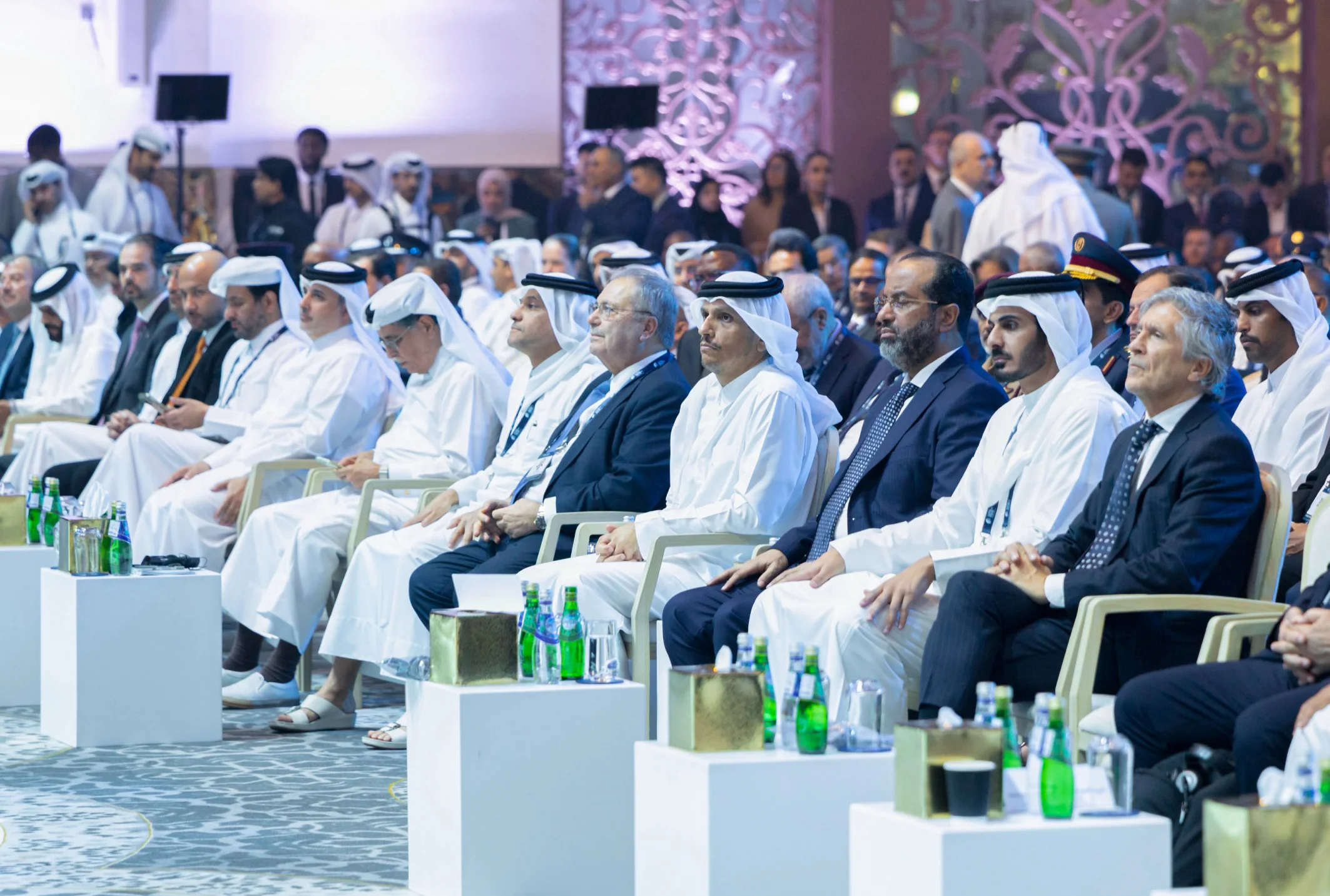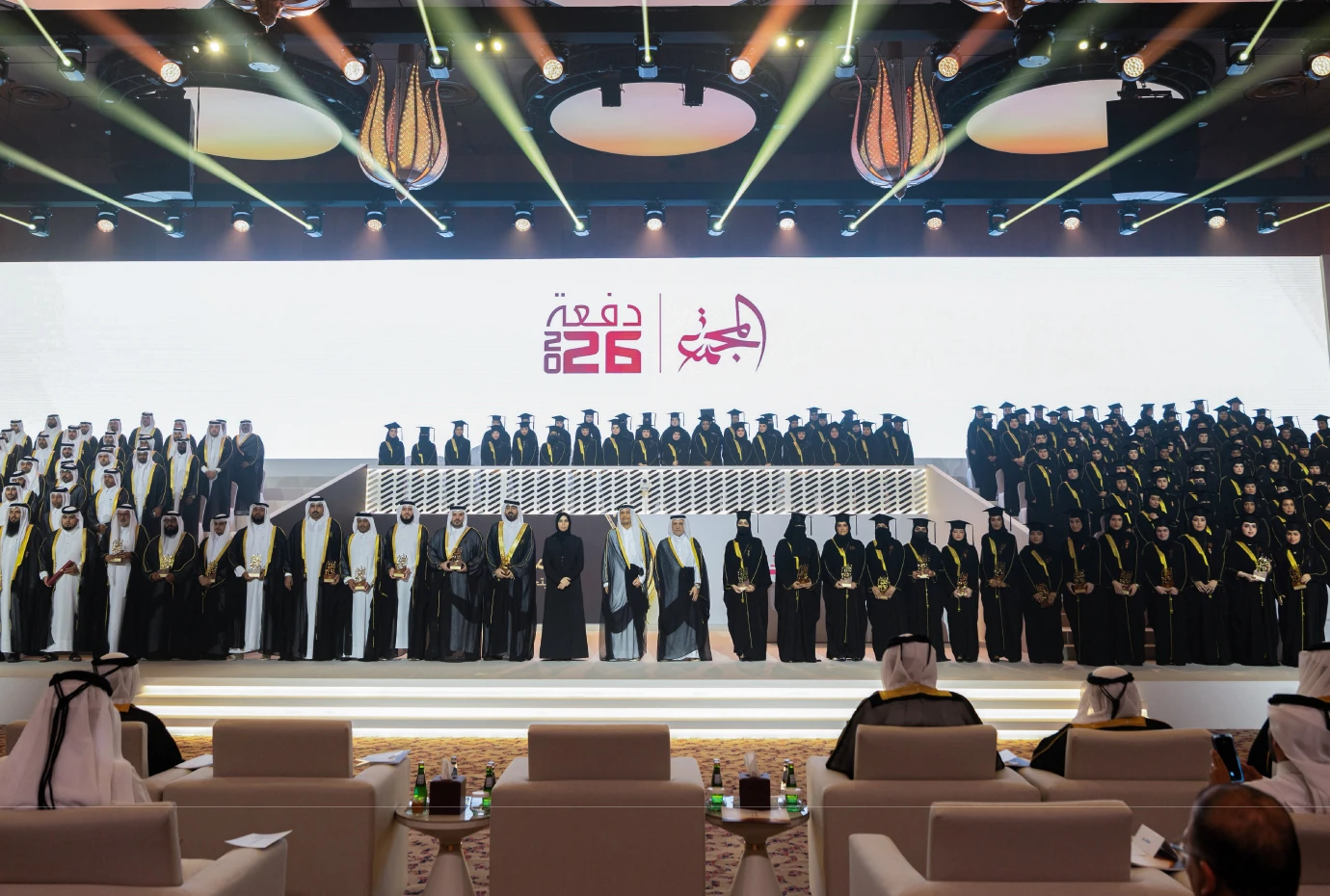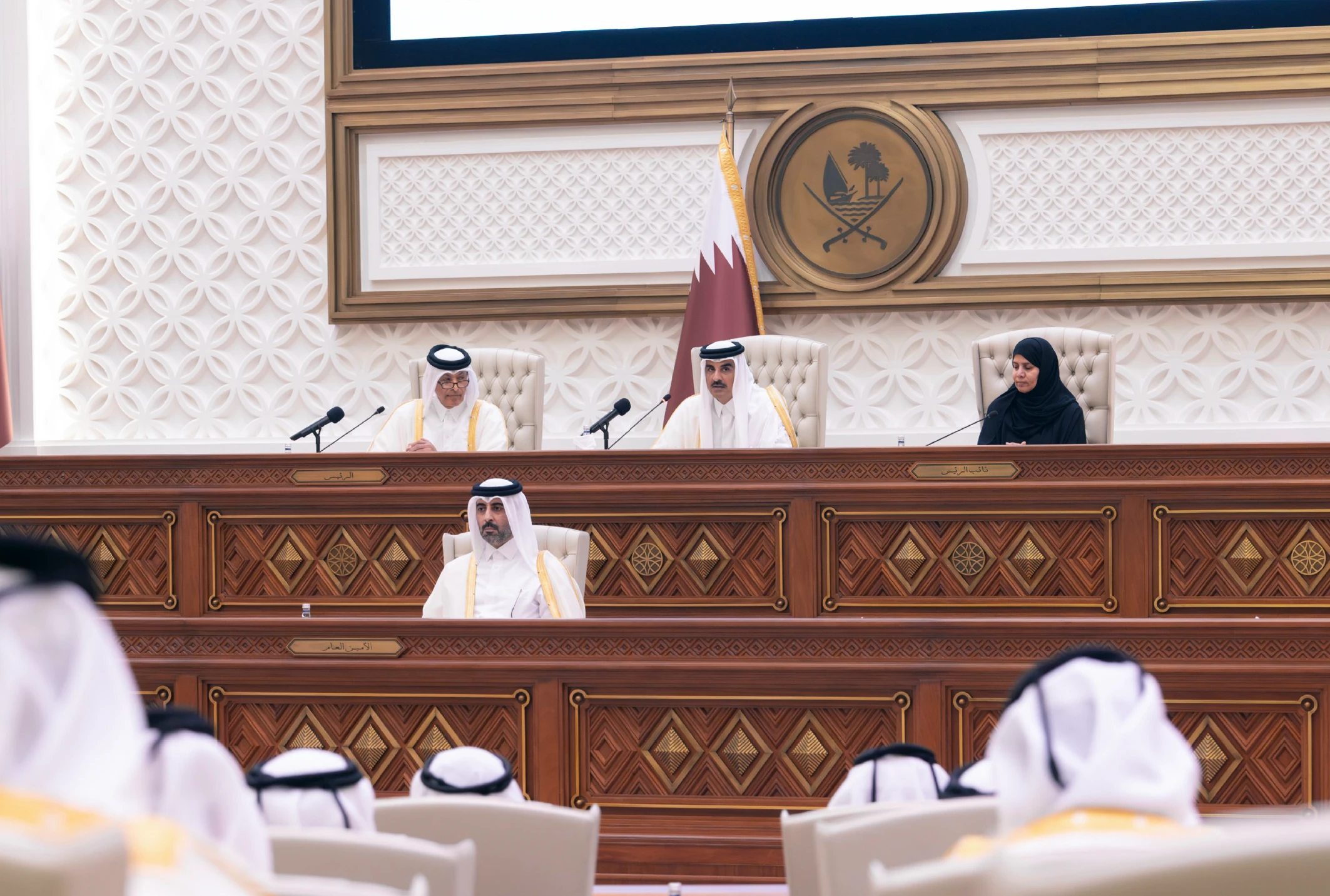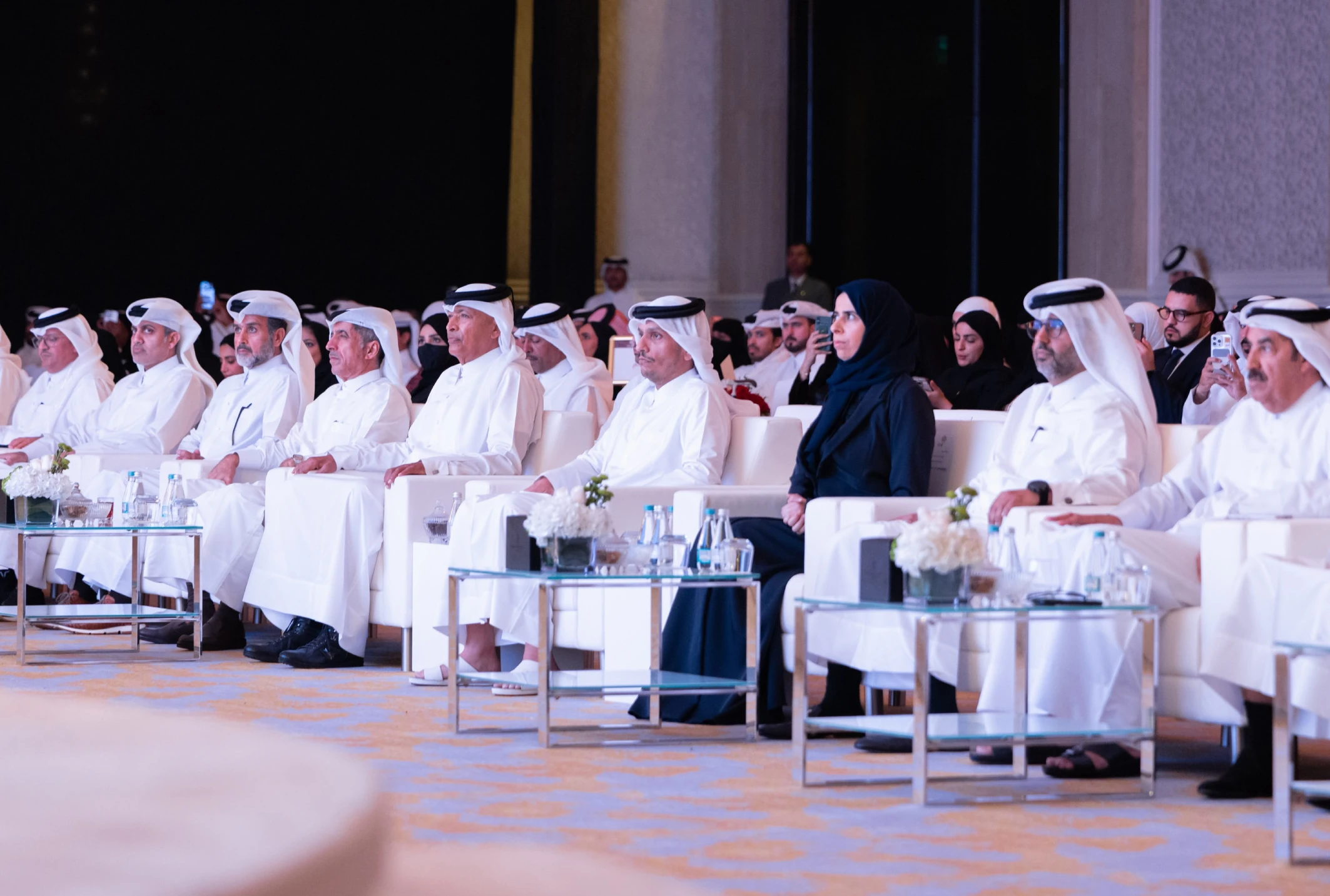
Global Security Forum 2025 wraps up in Doha
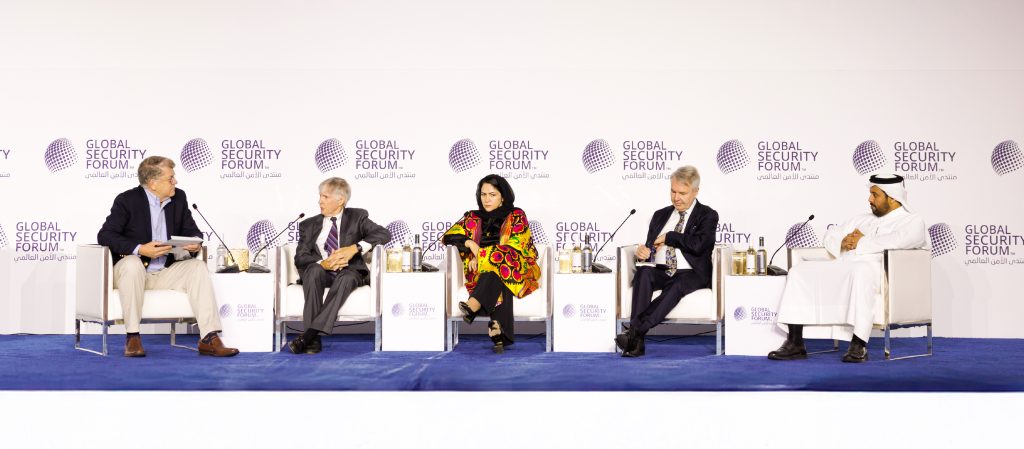
The 2025 Global Security Forum concluded today in Doha, following three days of high-level discussions attended by leaders, senior officials, security experts and academics from around the world.
This year’s forum focused on the growing influence of non-state actors such as transnational terrorist groups, private military companies, organised crime networks and cybercriminals. Discussions addressed their role in escalating international conflicts, obstructing mediation and diplomacy, threatening cybersecurity, and undermining humanitarian work.
Speakers emphasised the urgent need to adopt flexible and innovative diplomatic approaches, alongside new mechanisms for international cooperation. They stressed that these measures are vital for maintaining peace and stability amid the evolving global security landscape.
Experts also called for restructuring multilateral organisations, such as the United Nations, to boost their efficiency, as non-state actors play a larger role in conflict zones.
International officials, including Pekka Haavisto, former Minister of Foreign Affairs of the Republic of Finland, praised Qatar’s active role in resolving regional and international disputes.
The forum also addressed growing cybersecurity threats, particularly the use of artificial intelligence by non-state actors to launch cyberattacks, create false content and spread disinformation designed to destabilise societies and erode public trust. Participants agreed on the importance of international collaboration to counter these risks, urging countries to update cybersecurity strategies and and form new agreements to monitor and combat cyber threats.
On the humanitarian front, the forum highlighted the need for stronger cooperation between governments and civil society. Speakers stressed that future humanitarian efforts must be more adaptable, innovative, and rooted in local communities.
They also called for stronger legal protections for aid workers, the depoliticisation of humanitarian assistance and a renewed commitment to international humanitarian law. Participants reaffirmed the crucial role of humanitarian organisations in advancing humanitarian diplomacy and defending the rights of vulnerable communities.
Since its launch in 2018, the Global Security Forum has become a key platform for global dialogue on security challenges, bringing together a diverse network of policymakers, law enforcement, academics, media professionals, and private sector leaders.